“Don't let anyone rob you of your imagination, your creativity, or your curiosity. It's your place in the world; it's your life. Go on and do all you can with it, and make it the life you want to live.”

-Mae Jemison, Physician & Engineer, First Black Woman to Travel To Space

Principal Investigator

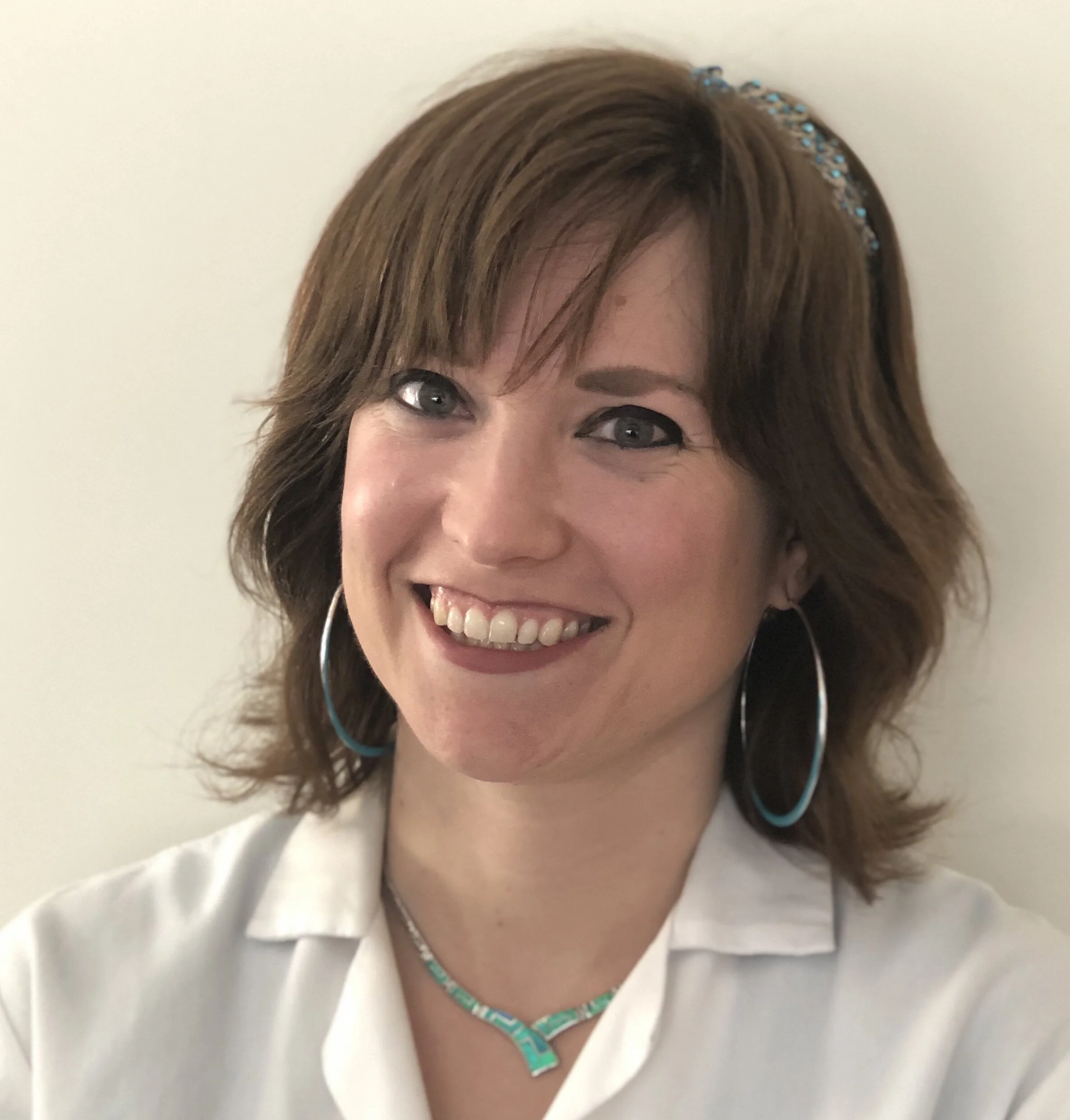
Allison M. Andrews Ph.D.
Headshot Andrews Allison.jpg

Associate Professor and SNIP Treasurer

Department of Pathology, Immunology, and Laboratory Medicine

University of Florida, College of Medicine
1395 Center Drive
Gainesville, FL 32610

Office: D6-18a

Office: 352-294-5275
Lab: 352-392-2676
Andrews.allison@ufl.edu

Dr. Allison M. Andrews received her Bachelors of Science in Agricultural & Biological Engineering from the University of Florida where she graduated Magna Cum Laude.  She then attended Drexel University and received her doctorate in 2012 from the Biomedical Engineering department.  Her thesis, under the advisement of Dr. Kenneth A. Barbee and Dr. Dov Jaron, was on the mechanism of shear stress (flow)-induced nitric oxide production from endothelial cells.  As part of the project, she designed a unique device and method for measuring nitric oxide from endothelial cells exposed to flow.  She was awarded a patent on the device and method in 2014.  Following her Ph.D., she did a Post-Doc under the advisement of Dr. Victor Rizzo in Temple University’s Cardiovascular Department.  Her work involved studying the role of caveolae in microparticle-induced activation of lung endothelial cells.  She then joined Dr. Ramirez’s lab in 2014 in order to expand her expertise in endothelial biology to that of the blood-brain barrier. Her work involved studying the production of extracellular microvesicles from brain endothelial cells in response to neuroinflammation, mechanical injury, HIV and drugs of abuse. Following her work with Dr. Ramirez, Dr. Andrews was appointed Assistant Professor of Research at Lewis Katz School of Medicine at Temple University in the Department of Pathology and Laboratory Medicine. She was then awarded a NIDA DP2 Avenir award to study the bone marrow during HIV infection and cocaine exposure. Dr. Andrews then moved to the Department of Pathology, Immunology & Laboratory Medicine at the University of Florida College of Medicine as an Associate Professor. Dr. Andrews’ lab utilizes 10X Genomics single-cell sequencing, tissue clearing and fluorescent microscopy, Micro CT of bone marrow vasculature, 3D bioprinting, organ-on-a-chip technology and in-situ hybridization, in her research. In addition to her own research endeavors, Dr. Andrews works in close collaboration with Dr. Ramirez, Professor in the Department of Pathology, Immunology & Laboratory Medicine at the University of Florida College of Medicine.


Team Members

Pedro Cruz

Research and Development Manager

Dr.Mohammed Mehdi Benmassaoud

Postdoctoral Associate


Breanna Runyon

Laboratory Technician III
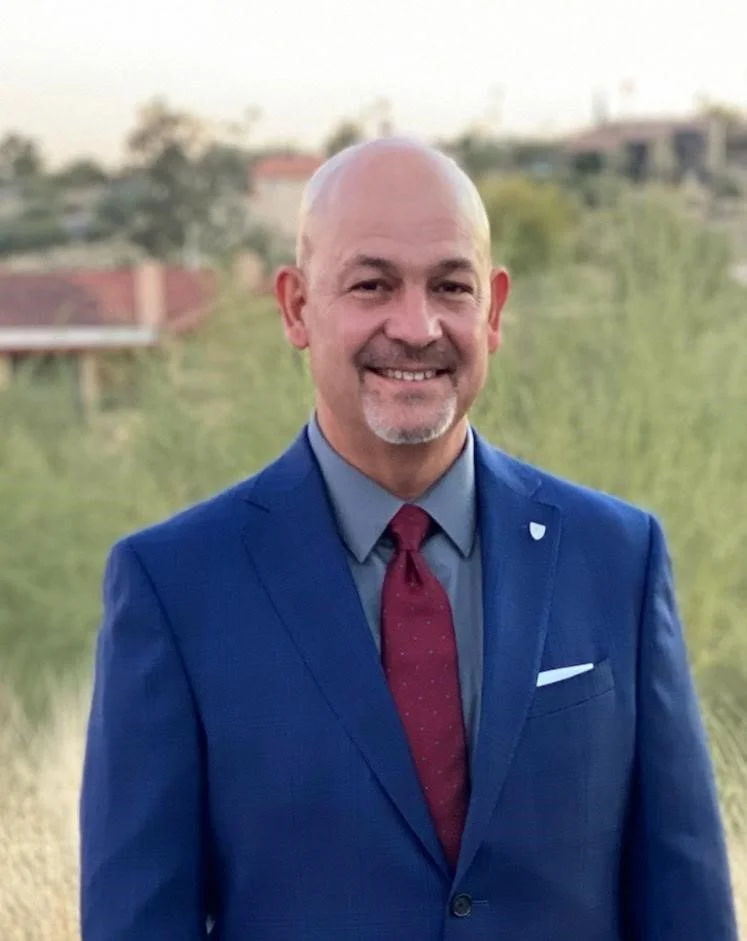
Craig Meyers

Biological Scientist III


Dr.Bhaskar Birru

Postdoctoral Associate
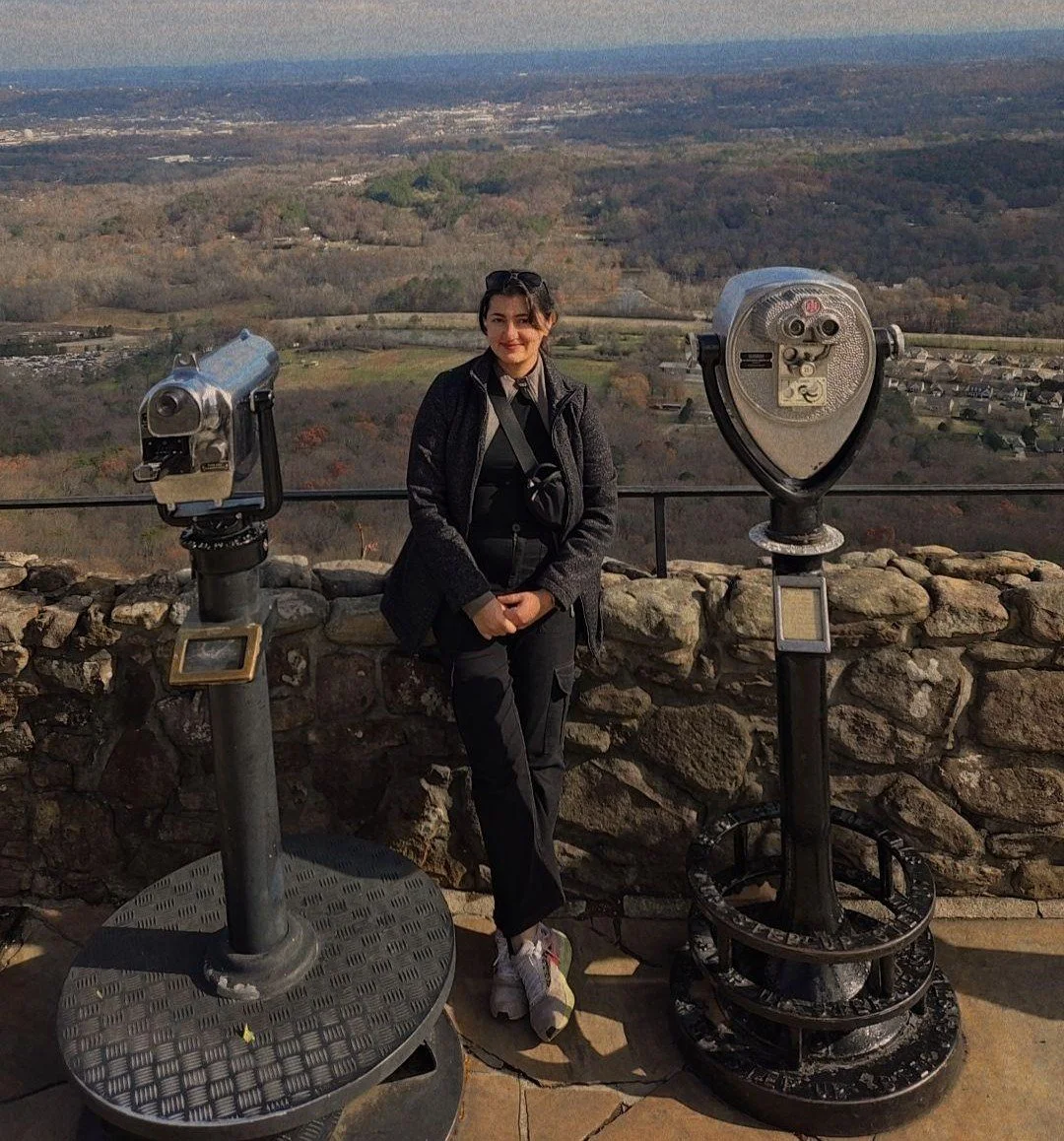
 

Zainab Al Shakarchi

PhD Student
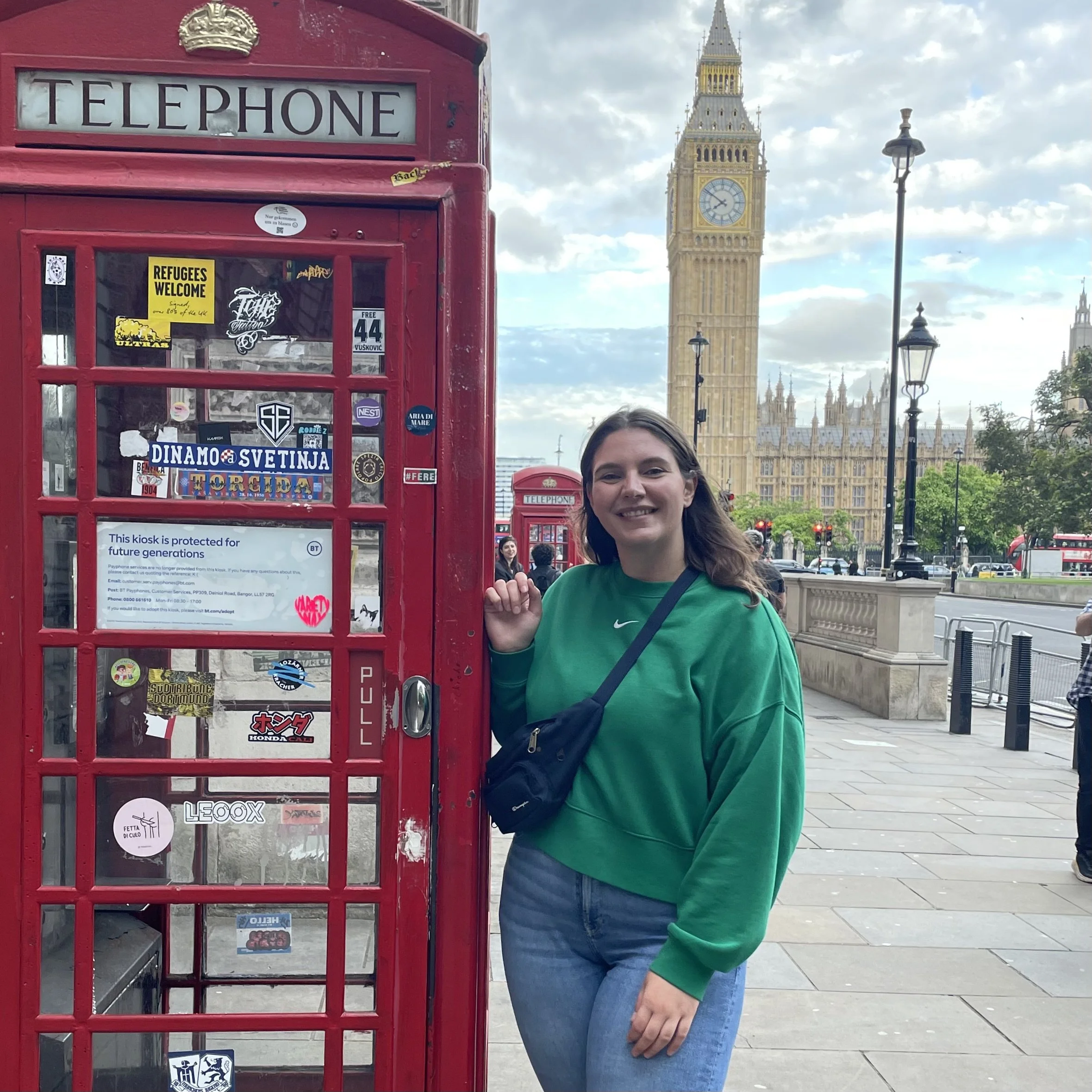
 

Maya Basic

PhD Student


Evelynn Argeles

Pedro Cruz’s scientific career focuses on the development of viral vectors (Ad, AAV, and HSV) for human gene therapy applications: gene promoter optimization (cell-restricted expression), capsid engineering (cell-specific targeting), and viral production utilizing cell lines. Over the past 24 years, Pedro has had the opportunity to supervise graduate and undergraduate students in the laboratory. It is always a pleasure to see the students learn to design their own plasmids in silico, construct actual plasmids at the bench, and create their own viruses for their theses. I have successfully mentored several University Scholars Program and Honor students in completing their theses. 

Achieving efficient transduction of resting microglia in vivo, for better or worse, has become his scientific obsession. Microglia play a major role in the homeostasis of the central nervous system. Achieving the genetic manipulation of microglia via viral gene therapy vectors will increase humanity's knowledge of brain function and may lead to the prevention/treatment of neurological diseases.


Dr. Mohammed Mehdi Benmassaoud, a.k.a Mehdi Benmassaoud, is a foreign post-doctoral associate from Morocco. He received his bachelor's in engineering management with a mechanical track from The College of New Jersey in 2016. During his time at TCNJ, Mehdi worked on different projects such as improving the efficacy of the electrode used for deep brain stimulation, which led to a conference paper, two conference posters, and exploring the potential negative impact of 5G on human health. In 2016, Mehdi Benmassaoud attended Rowan University to pursue his master’s degree in mechanical engineering. During his master’s, he worked under the supervision of Dr. Shivakumar I. Ranganathan to 3D print total knee arthroplasty loaded with antibiotics to reduce the potential post-infection rising issues. He was able to publish 2 manuscripts and attended a few conference posters. Receiving his Ph.D. in biomedical engineering in 2022, Mehdi worked under the supervision of Dr. Sebastian L. Vega to engineer biomaterials with diverse physical and chemical signaling to get different cellular responses. He specialized in the creation of hydrogel with spatial and temporal flexibility to induce different cell responses with the help of peptides. He was involved in 6 manuscripts as an author and attended several conferences. To further advance as a researcher, Mehdi joined the Andrews laboratory in September 2022 to develop an innovative microfluidic device that mimics the characteristics and properties of bone marrow. He wants to continue to improve his engineering skills through scaffold building as well as obtain more molecular biology skills like PCR, Western Blot, and seahorse assays. In October 2023, Mehdi moved with the Andrews laboratory from Temple University to the University of Florida. At UF, Mehdi is continuing his research in bone marrow microfluidic device formation and exploring the effect of HIV on hematopoietic stem cell differentiation.


Breanna Runyon is currently pursuing a Bachelor’s degree in Biology at Santa Fe College. She achieved her Associates of Arts at Eastern Gateway Community College in 2022. Working in tandem with her degree, her first job was a nutritional microbiology scientist with a focus on bacterial identification and culture growth. After completion of her A.A., she accepted a laboratory technician position in a R&D department at a cGMP facility where she learned the multifaceted applications of AAV therapies. While there, she specialized in cell culturing, bioreactor expansion, and large scale buffer/media production. After a year, she transitioned into a preclinical histology setting where she conducted experiments in support of gene therapy research. Using immunofluorescent and immunohistochemical techniques, she studied neurodegenerative diseases like Fredrich’s Ataxia and Alzheimer’s in the organelle of mice and primates. Breanna joined the Andrews Laboratory in May 2024 to assist in the study of HIV reservoirs through histology processing. She hopes to continue researching HIV and to expanding her skill set under her colleagues.


Dr. Bhaskar Birru is currently a Postdoctoral Associate in Dr. Andrews M Allision lab at Department of Pathology, Immunology, and Laboratory Medicine, University of Florida.  His focus on conducting novel research in tissue engineered brain microvasculature models, learning about a new disease (HIV infection and co morbid substance abuse), which involves innovative techniques (microfluidics, 3D bioprinting, image analysis). In his previous postdoctoral position, anti-inflammatory and antioxidant conjugate drug delivery systems, the development of 3D in vitro tympanic and round window membrane models, and microneedle-based drug delivery systems for the hearing loss management was carried out at University of Montana, USA.  He was graduated in Biotechnology from the highly reputed National Institute of Technology Warangal, India. His doctoral research was on the design and assessment of dynamic perfusion bioreactor for polymer guided bone regeneration.  

He undertook a sabbatical in the ‘Department of Materials science and Engineering’ at ‘The University of Sheffield’ with Newton-Bhabha Award. His keen interests in interdisciplinary areas of biomaterials and tissue engineering got him many applauds and awards including Junior Scientist Award from NAE, India and considered as best research article in Biomedical Journal, Elsevier.  He has authored 17 scientific publications in peer-reviewed international journals and 7 book chapters. His experience in research led him to pursue in bringing up a comprehensive, in-depth book on ‘Biomaterials in tissue engineering and regenerative medicine- published by Springer Nature’ to meet the aspirations of wide range of audience, including students, researchers and faculty in this core area.


Zainab is a PhD student in the biomedical sciences program at the UF College of Medicine. She obtained her B.S. and M.S. degrees in biology from Florida Atlantic University, where her research started with studying Drosophila reward pathways. She then transitioned to the UF Scripps Biomedical Research Institute to study small molecules and microRNAs.  Zainab loves to explore different facets of science and diversify her skillset. Now, she is interested in pursing neuropharmacology and 3D modeling. Outside the  lab, you will find Zainab exploring local coffee shops and hiking trails.   


Maya is from Jacksonville, Florida and received her Bachelor’s in Science in Biomedical Sciences at the University of North Florida. She then went on to receive her Master’s in Science in Medical Sciences at the University of South Florida in Tampa. After her studies, Maya spent some time working at Mayo Clinic in Jacksonville, where she participated in research covering neurodegenerative diseases and cancer immunotherapies.  In 2024, she decided to begin her journey in pursuing a PhD in Biomedical Sciences with a concentration in Immunology and Microbiology at the University of Florida, where she is currently a student in Dr. Allison Andrews’ laboratory. She is interested in the intersections of immunology, neurobiology, and pharmacology, and how they may contribute to our understanding of certain diseases such as HIV. Her primary focus is on investigating the effects of estrogen and fentanyl on HIV replication and immune migration across the blood-brain-barrier. Her goal is to understand how these factors influence HIV pathogenesis and progression in contexts involving drugs of abuse or sex differences. Maya enjoys traveling, playing volleyball and tennis, and attending concerts and music festivals.